All posts by AA

Magnesium Deficiency Symptoms

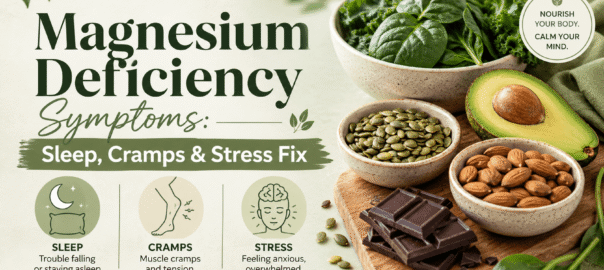
Magnesium Deficiency Symptoms: Sleep, Cramps & Stress Fix

If you’re waking at 3 a.m. with a clenched jaw, a cramping calf, or a heart that won’t settle, low magnesium is one of the first things worth ruling out. Roughly half of Americans aren’t getting enough from food, and your body burns through what it has faster under stress. This guide explains the symptoms, the research, and exactly what to do this week.

Why Magnesium Deficiency Is So Common

Magnesium is a cofactor in more than 300 enzyme reactions. In plain English: it’s a tiny helper your cells need to make energy, relax muscles, calm nerves, regulate blood sugar, build bone, and steady your heartbeat. When it’s low, a lot of small things go sideways at once — and most people never connect the dots because the dots don’t look related.

Your body can’t make magnesium, modern soil delivers less of it than it used to, and stress accelerates how fast you lose it (Fiorentini et al., 2021, Nutrients). That’s not a personality flaw. That’s a mineral gap.

Signs of Low Magnesium in Women Over 45

Magnesium deficiency is bio-individual. Your symptoms may be sleep; your sister’s may be migraines; your friend’s may be constipation and anxiety. Same hub, different spokes on the wheel:

  • Trouble falling or staying asleep, especially around 3 a.m.
  • Muscle cramps, twitches, restless legs
  • Migraines or tension headaches
  • Jaw clenching and teeth grinding
  • Heart palpitations or that “fluttery” feeling
  • Anxiety, irritability, low stress tolerance
  • Constipation
  • Sugar and chocolate cravings (chocolate is magnesium-rich — your body knows)

What the Research Actually Says

That’s a lot of spokes on one wheel — and a lot of reasons to take this seriously.

Best Magnesium-Rich Foods

Food first, always. Build daily intake from:

  • Pumpkin seeds (about 150 mg per ounce — a third of a day’s needs)
  • Almonds, cashews, walnuts
  • Spinach and Swiss chard
  • Avocado
  • Black beans
  • Dark chocolate (70% or higher)
  • Wild-caught salmon

Start with one simple move: tonight, eat an ounce of pumpkin seeds with dinner and notice how you sleep. It’s a small experiment you can run before the week ends.

Best Magnesium Supplement Form for Your Symptoms

If you’re going to supplement, match the form to the job:

  • Magnesium glycinate — gentle, calming, best for sleep and nervous system support.
  • Magnesium citrate — moves the bowels. Useful if you’re constipated, inconvenient if you aren’t.
  • Magnesium L-threonate — the form most studied for cognition and brain health.
  • Magnesium oxide — poorly absorbed. Skip it, even though it’s the cheapest and most common on drugstore shelves.

Quality matters more than the label promises. Avoid proprietary blends and mystery fillers. Pair magnesium with whole-food fats — avocado, walnuts, raw butter — because it does its best work in a body that has the raw materials to use it.

A word of caution: if you have kidney issues, take heart medication, or are pregnant, magnesium dosing is not a guess-and-go situation. Talk to your naturopathic physician before making changes. If you don’t have a naturopath, you can check out mine at LeaveBigPharmaBehind.com.

Other Ways to Raise Magnesium Levels

  • Epsom salt baths, twice a week. Magnesium sulfate, 20 minutes, warm water. Your skin will absorb what it needs — and it forces you off your phone.
  • Topical magnesium spray on calves and feet before bed if cramps are the main issue.
  • Cut the magnesium thieves. Soda and excess coffee deplete it. You don’t have to quit — you have to notice.
  • Plan ahead. Put pumpkin seeds, dark chocolate, and leafy greens on the grocery list this week. Every meal is a vote.

The Bottom Line

Your body isn’t broken — it’s asking to be heard. The 3 a.m. ceiling stare, the calf cramp, the clenched jaw, the migraine that arrives like clockwork — those are messages, not malfunctions. Magnesium is one quiet answer hiding in plain sight.

Start with food. Add an Epsom salt bath. If you supplement, choose glycinate, citrate, or L-threonate based on what you actually need. Then watch the small things start to settle.

Get More Like This

If this resonated, subscribe to the free Your Health Unbound newsletter on Substack for weekly, research-backed guidance on sleep, hormones, gut health, and energy for women over 45: substack.com/@yourhealthunbound.

Your body has been talking for a long time — magnesium might be the first place worth listening.


This post may contain affiliate links. If you purchase through them, I may earn a small commission at no extra cost to you. This content is for educational purposes only and is not a substitute for personalized medical advice.

Reprinted with permission from YourHealthUnbound.com

Red-Light-Therapy

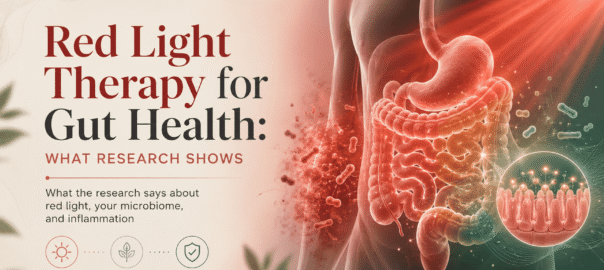
Red Light Therapy for Gut Health: What Research Shows

You cleaned up your nutrition, added bone broth and fermented foods, and the bloating still shows up at 4 p.m. like clockwork. Emerging research on red light therapy — specifically photobiomodulation aimed at the abdomen — suggests photons of certain wavelengths may shift the gut microbiome and calm the inflammation your protocol can’t touch. Here is what the science actually says, and a simple at-home protocol you can test in two weeks.

What Is Photobiomodulation (Red Light Therapy)?

Red light therapy goes by a more clinical name in the journals: photobiomodulation, or PBM. The mechanism is straightforward. Specific wavelengths of red and near-infrared light — roughly 630 to 850 nanometers — penetrate the skin, reach the mitochondria inside your cells, and stimulate them to produce more ATP. ATP is the cellular fuel that powers everything from immune response to tissue repair.

More mitochondrial energy means more capacity for the gut lining to do what it’s designed to do: repair, defend, and communicate with the trillions of microbes living on top of it.

Can Red Light Therapy Heal the Gut? What the Research Shows

A 2023 review by Jahani-Sherafat and colleagues, published in Gastroenterology and Hepatology from Bed to Bench, examined photobiomodulation in conditions tied to dysbiosis — the medical term for an out-of-balance gut microbiome where the wrong bacteria have outvoted the right ones. The authors concluded that PBM appears to modulate the microbiome itself, increasing populations of beneficial bacteria and reducing the inflammatory signaling that comes with dysbiosis. In animal studies, abdominal red light shifted bacterial diversity in a direction that tracked with reduced gut inflammation.

Let’s be clear about what that does and does not mean. It does NOT mean you can shine a light on your belly and skip the work of cleaning up your nutrition. Inflammation is a signal, not a root cause — it points upstream to food triggers, gut barrier dysfunction, and environmental exposures. Diet and environment drive most chronic inflammation, not genetics.

What it DOES suggest is that for many women, red light may be a useful adjunct that helps cells do the repair work nutrition is already setting up. The clients who get the most from these tools are the ones who have already pulled the obvious triggers off their plate. The light is the amplifier, not the foundation.

A 10-Minute Red Light Protocol for Your Gut

You don’t need a clinic or a four-figure panel to test this. A small at-home device is enough to see how your body responds over two to four weeks.

A starting framework — adjust to your bio-individuality and the device you have:

  • Wavelength: Look for a device in the 630–660 nm (red) and/or 810–850 nm (near-infrared) range. Both have research behind them.
  • Distance and time: Start at 6 to 12 inches from bare skin, 10 minutes per session, once daily. More is not better.
  • Where: Over the abdomen — lower belly, around the navel, and the lower right quadrant where the ileocecal valve lives.
  • When: Morning is ideal. It pairs naturally with sunlight on your skin and eyes within the first hour of waking, which is its own circadian medicine and costs nothing.
  • Track it: Keep a two-line journal. One line for what you ate. One line for how your gut felt. Two weeks of honest data tells you more than two months of guessing.
  • Pair it with the basics: Two tablespoons of raw butter daily, wild-caught fatty fish a couple of nights a week, fresh-squeezed lemon and apple cider vinegar instead of bottled oils, and pasteurized cow dairy off the plate during any reset window.
  • Sunlight first: Before spending a dollar on a device, get 10 minutes of morning sun on your skin and in your eyes (no sunglasses, don’t stare at it). Free, ancient, and the original photobiomodulation.

Always consult your naturopathic physician before adding red light therapy, especially with a photosensitizing condition, pregnancy, or a history of skin cancer.

How to Choose a Red Light Device Without Getting Burned

The red light therapy market exploded, and most of what’s on the shelf is overpriced or underpowered. Look for a device that publishes its irradiance numbers (the actual power output in mW/cm²) and the specific wavelengths it emits. If a company won’t disclose those specs, that is your answer.

For the nutritional foundation that makes any light therapy worth trying, professional-grade supplements through a practitioner dispensary are a cleaner option than Amazon roulette. Essential oils that pair well with gut work — peppermint, ginger, fennel — should be therapeutic-grade from a brand that publishes third-party testing.

For medically complex situations — long-standing autoimmunity, multiple diagnoses, or a body that is not responding to nutrition alone — homeopathic and naturopathic care is where deeper work begins. Always consult a qualified practitioner before changing your treatment plan.

The Bottom Line

Red light therapy is not a cure for a struggling gut. It is a credible, research-backed tool that supports the cellular repair your nutrition and lifestyle are already driving. If you have done the food work and still feel stuck, ten minutes of red light over the abdomen is a low-risk experiment worth two weeks of your attention.

Get More Like This — Free

If this is the kind of evidence-based, no-hype guidance you want more of, subscribe to my free Your Health Unbound newsletter on Substack: https://substack.com/@yourhealthunbound. Each issue digs into one practical strategy for women navigating fatigue, gut, hormones, and weight after 45.

Start with one change, track honestly, and let your body tell you what it needs.


Disclosure: This post may contain affiliate links. If you purchase through them, I may earn a small commission at no extra cost to you. I only recommend tools and brands I trust and use with clients.

Reprinted with permission from YourHealthUnbound.com
Grounding Benefits

Grounding Benefits: The Free Anti-Inflammatory Reset

If you’re dealing with stubborn inflammation, poor sleep, or a body that feels wired and tired no matter what supplements you take, there’s a free practice most people overlook: putting your bare skin on the earth. Grounding — also called earthing — is one of the most underrated anti-inflammatory tools available, and the research behind it is more solid than you’d expect.

You’ve cleaned up your nutrition. You’ve tried the protocols. You’re still inflamed. Part of what your body may be asking for is something you can do barefoot, for free, in the next ten minutes.

What Grounding Actually Is

Grounding is direct skin contact with the surface of the earth — grass, soil, sand, unsealed stone, or a natural body of water. The premise is simple: the earth carries a mild negative electrical charge, and when you touch it, free electrons transfer into your body. Those electrons appear to neutralize excess free radicals, the unstable molecules that drive chronic inflammation when they accumulate.

Think about the last time your bare feet touched actual dirt or wet grass for more than thirty seconds. For most adults, the answer is sometime in childhood. We sleep in beds off the floor, walk on rubber soles, drive in cars, and live in buildings wrapped in synthetic materials. Every human who came before us spent hours a day in direct contact with the planet. We don’t.

What the Research Says About Grounding and Inflammation

This isn’t woo. A 2015 review in the Journal of Inflammation Research pulled together the existing studies on grounding and reported measurable shifts in inflammation markers, cortisol rhythms, blood viscosity, and pain scores when subjects were grounded versus not. A 2010 study in the Journal of Alternative and Complementary Medicine found that grounding reduced delayed-onset muscle soreness and shifted white blood cell counts in a pattern consistent with a calmer inflammatory response. Mayo Clinic and Cleveland Clinic have both acknowledged the early but promising data on stress and sleep.

Here’s the honest framing: inflammation is a signal pointing upstream to a food trigger, a gut barrier issue, a toxic exposure, a nutrient gap, or a nervous system stuck in overdrive. Grounding doesn’t fix the upstream cause. What it appears to do, for many people, is turn down the volume on the body’s stress and inflammatory response so the rest of the work — the food, the sleep, the gut repair — has room to land.

How to Practice Grounding: A Simple Protocol

You don’t need a gadget. You need skin and earth. Start here:

  • Twenty minutes, bare feet, on grass or dirt. That’s the entry-level dose most of the research used. Morning sun plus bare feet is a two-for-one — grounding plus circadian light cues for better sleep.
  • Wet grass or wet sand conducts better than dry. Morning dew, the edge of a lake, damp soil after rain — all stronger conductors than parched ground.
  • Sit or lie down, don’t just stand. Hands on the ground count. More skin, more contact.
  • Concrete poured directly on earth (unsealed) works. Asphalt, sealed concrete, painted decks, and rubber soles do not. Indoor wood floors don’t either.
  • Try it before bed. Many people report falling asleep faster after even ten minutes of evening grounding.
  • Stack it with a walk. Five minutes barefoot at the start or end of a daily walk — it doesn’t have to be a separate appointment.
  • Pair it with breath. Four counts in, six counts out, for two minutes while your feet are on the earth. You’re signaling to your nervous system that the threat is over.

One related anti-inflammatory note: skip the bottled seed oils. Two tablespoons of raw butter a day, wild-caught salmon a couple of nights a week, and dressings built from fresh-squeezed lemon, apple cider vinegar, salt, and pepper will do more for inflammation than any bottled oil ever will.

Always consult your naturopathic physician before making changes to your treatment plan, especially if you’re managing a circulatory condition or are pregnant.

What About Grounding Mats and Indoor Alternatives?

If getting outside barefoot isn’t realistic — high-rise living, long winters, mobility limitations, or no access to clean ground — grounding mats and sheets are marketed as alternatives. These typically plug into the grounding port of a standard outlet.

Direct contact with the earth is the gold standard. I don’t sell grounding products, don’t recommend a specific brand, and don’t have an affiliate relationship with any manufacturer. Some people report benefits; do your own research, read both positive and critical reviews, and speak with your naturopathic physician first if you have cardiac, circulatory, implanted-device, or other medical considerations.

The Best Source Is Outside Your Back Door

No purchase required, no app, no subscription. This is one of the few health practices that costs nothing and that no industry can monetize, which is probably why it rarely comes up in a ten-minute doctor’s appointment. Follow the money — there isn’t any here. There’s just you and the planet you live on.

If your inflammation picture is more advanced or medically complex, Dr. Glidden’s work at Leave Big Pharma Behind offers deeper natural strategies beyond nutrition.

Your 10-Minute Grounding Experiment

Tomorrow morning, before you check your phone, walk outside and put your bare feet on the ground for ten minutes. Notice how you feel an hour later. Notice how you sleep that night. That’s the entire experiment.

Get More Practical Health Tools

If this kind of straightforward, evidence-backed approach to inflammation, gut health, and hormones speaks to you, subscribe to the free Your Health Unbound newsletter on Substack at https://substack.com/@yourhealthunbound. Each issue delivers one practical tool you can use that week — no fluff, no fear-mongering.


Disclosure: This post may contain affiliate links. If you purchase through them, I may earn a small commission at no extra cost to you. I only share resources I personally use or trust.

Vitamin D and Gut Health: The Hormone Link in Women 45+

If you’re dealing with stubborn fatigue, a moody gut, low immunity, and a flat mental baseline, vitamin D deficiency may be quietly driving it. Vitamin D isn’t really a vitamin — it’s a hormone that talks to your gut lining, your microbes, and your cells every day. Here’s what’s actually happening, and how to dial it in before winter shuts down your sun exposure.

Vitamin D Is a Hormone, Not Just a Bone Builder

Vitamin D receptors line your gut, your cells, and the tissues that hold your intestinal barrier sealed. When those receptors go quiet, the wheels come off — barrier integrity slips, microbes shift, and body’s regulatory balance mechanisms gets noisy.

A 2020 review in The Journal of Steroid Biochemistry and Molecular Biology (Fakhoury et al.) laid it out plainly: vitamin D modulates the gut barrier, shapes the microbiome, and tunes the immune response inside the intestinal lining. Translation — it helps decide whether your gut wall is a sturdy fence or a sieve.

Ghaly and colleagues (Expert Review of Gastroenterology & Hepatology, 2019) mapped the same conversation in inflammatory bowel disease: dietary vitamin D, sun exposure, and the fecal microbiome are part of one feedback loop, not separate spokes.

The Vitamin D, Gut, and the Body’s Internal Regulatory Network

The research keeps stacking up. Zhan et al. (2024, World Journal of Gastrointestinal Oncology) describe a vitamin D — gut flora — immune system nexus relevant to colorectal cancer prevention. Matsui et al. (2019, Allergology International) linked food allergy to season of birth, sun exposure, and vitamin D deficiency. Mărginean and colleagues (2022, Diagnostics) traced the same crosstalk through pediatric digestive disorders.

The pattern is consistent: a depleted gut and a depleted vitamin D status almost always travel together. Inflammation is a signal pointing upstream. Low vitamin D doesn’t cause symptoms on its own — it’s one of the most common spokes on the wheel when you start looking for root causes instead of chasing symptoms.

Why Women Over 45 Are Especially Vulnerable

By midlife, the systems that absorb and convert vitamin D — your gut lining, your kidneys, your liver — have usually taken some hits. Years of antibiotics, processed seed oils, chronic stress, undiagnosed gluten sensitivity, or a slow-burn celiac picture can leave you malnourished in ways a standard blood panel won’t catch. Vitamin D is one of the quiet ones. You feel tired, achy, inflamed, and you can’t quite name why.

Add with modern sun avoidance — sunscreen on everything, indoor work, sunglasses at all times — and you have a generation of women running on a fraction of the signaling their hormones need.

How to Restore Vitamin D Naturally: The Protocol

Stop guessing. Gather data, then stack the basics.

  1. Get Tested First
    Ask your naturopathic physician for a 25-hydroxy vitamin D blood test. Know your number before you supplement. Bio-individuality matters — your optimal range is yours.
  2. Dose Daily Sunshine
    Ten to thirty minutes of mid-morning sun on bare skin — arms, legs, face — most days, dosed to your skin tone and latitude. No sunglasses. No burning. This is the original prescription, and it’s free.
  3. Eat Real Vitamin D Food Sources
    – Wild-caught salmon and sardines
    – Pasture-raised egg yolks
    – Cod liver oil
    – Mushrooms exposed to sunlight
    – Two tablespoons of raw butter daily as an anti-inflammatory anchor
  4. Drop the Bottled Seed Oils
    Dress food with fresh-squeezed lemon, apple cider vinegar, salt, and pepper, or a homemade whole-food dressing. Industrial oils undermine the same gut lining you’re trying to heal.
  5. Get the Dairy Distinction Right
    During a gut reset, pull out all dairy. Long-term, raw dairy carries beneficial nutrients and enzymes that pasteurized cow dairy has had cooked out of it. Pasteurized cow dairy is the problem, not dairy as a category.
  6. Anchor Your Circadian Rhythm
    Vitamin D and circadian rhythm are roommates. Get morning light in your eyes within an hour of waking, and you’re already doing the work.
  7. Feed the Microbes
    Fiber-rich vegetables, fermented foods like sauerkraut and kimchi, and bone broth give your gut bugs a reason to cooperate with hormone signaling.

When to Supplement Vitamin D (and How)

If your number comes back genuinely low, supplementation is a conversation — not a guess. Consult your naturopathic physician before changing your treatment plan, and ask about pairing vitamin D3 with K2 and magnesium so the team works together. Find the hole, then fix it.

When you do supplement and lab test, source matters. Work with your practitioner through a clinician-vetted dispensary like Fullscript rather than whatever is loudest on the big-box shelf. Most retail supplements are formulated for margin, not absorption. You want third-party tested, whole-food-based where possible, and dosed to your actual lab values.

For the sunshine half of this equation, you don’t need a store — you need a calendar. Put a daily walk before lunch and protect those twenty minutes the way you’d protect a meeting with someone important. Because that’s exactly what it is.

Want More Root-Cause Guidance?

If this resonated — if the fatigue, the bloating, the mood, and the dysregulation chaos all feel like one tangled rope — they probably are. For weekly root-cause guidance written for women 45-65 who are done chasing symptoms, subscribe to the free Your Health Unbound newsletter on Substack: https://substack.com/@yourhealthunbound

Reprinted with permission from YourHealthUnbound.com

Leaky Gut 7 Day Plan

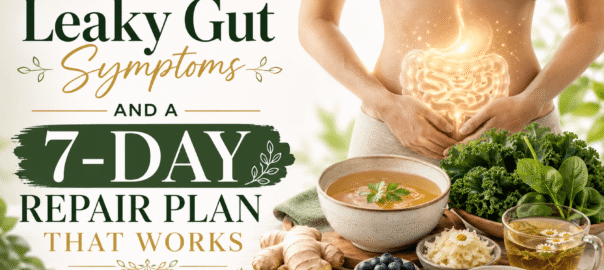
Leaky Gut Symptoms and a 7-Day Repair Plan That Works

If you’re dealing with unexplained fatigue, brain fog, joint pain, stubborn weight, or a new autoimmune flare, the root cause may be sitting in your small intestine. Leaky gut — clinically known as intestinal permeability — is measurable, well-documented, and reversible when you know what to do. This guide breaks down what’s happening at the gut wall and gives you a structured first week of repair.

What Leaky Gut Actually Is

The lining of your small intestine is one cell thick. That single layer is the wall standing between everything you swallow and your bloodstream, deciding what gets absorbed and what stays out. Those cells are held together by tight junctions — protein zippers that open to let nutrients through and stay closed against everything else.

When those zippers get stuck open, undigested food particles, toxins, and bacterial fragments slip into circulation and trigger an immune response that was never meant to happen there. That’s leaky gut.

This isn’t a wellness buzzword. A 2019 review in Gut by Camilleri laid out the mechanisms and how researchers measure intestinal permeability in humans. Di Vincenzo and colleagues published a 2024 review in Internal and Emergency Medicine connecting gut microbiota, permeability, and systemic inflammation. Neurath’s 2025 paper in The Lancet Gastroenterology & Hepatology called the intestinal barrier pivotal in health, inflammation, and cancer. And Malesza’s 2021 Cells review documented how a high-fat, Western-pattern diet drives the damage.

Why Leaky Gut Drives So Many Symptoms

When the barrier leaks, the immune system starts reacting to proteins it was never supposed to meet. Over time, that chronic low-grade reaction becomes the common thread underneath autoimmunity, fibromyalgia, chronic fatigue, eczema, thyroid dysfunction, and weight that won’t budge.

Inflammation isn’t the cause — it’s the signal pointing upstream to the leak. Diet and environmental exposures, not genetics, drive most of that fire.

This is personal territory. Years ago, fibromyalgia had me in bed by 4 p.m. I hadn’t yet been diagnosed with celiac disease, and it took three and a half years to connect the dots. Once gluten came out and the gut lining started rebuilding through nutrition, the fibromyalgia and chronic fatigue reversed. Every body is bio-individual, but the principle is universal: find the hole, then fix it.

Common Signs of Leaky Gut in Women Over 45

  • Bloating, gas, or unpredictable digestion
  • Brain fog and afternoon energy crashes
  • Joint pain or new food sensitivities
  • Stubborn weight that doesn’t respond to calorie cutting
  • Skin issues — eczema, rosacea, adult acne
  • Thyroid symptoms or autoimmune diagnoses
  • Mood swings and sleep disruption

Your First-Week Leaky Gut Repair Protocol

One week won’t close every junction. But one week of feeding the barrier instead of beating it up tells your body you’re finally listening — and most women feel a measurable shift by day five.

Foods to Add

  • Bone broth, simmered long and slow. Collagen and glutamine are the raw materials your gut lining rebuilds from (Aleman 2023 reviewed the specific ingredients that support barrier repair).
  • Steamed leafy greens and colorful vegetables at every meal
  • Wild-caught fatty fish — salmon, sardines — two to three times a week for omega-3s
  • Two tablespoons of raw butter daily as a steady anti-inflammatory habit
  • Whole-food fats: avocado, nuts, seeds, ghee, coconut
  • Fermented vegetables (sauerkraut, kimchi) in small daily doses if tolerated

Foods to Pull Out for Seven Days

  • Gluten, in every hiding place — sauces, soups, seasonings
  • All dairy during the reset (pasteurized cow dairy is the main offender; raw dairy is a separate conversation)
  • Added sugar and industrial seed oils
  • Bottled salad dressings. Dress food with fresh lemon, apple cider vinegar, salt, and pepper, or a homemade whole-food vinaigrette instead.

The Lifestyle Lever Most People Skip

Sleep. Seven to nine hours, dark room, screens off an hour before bed. Barrier repair happens overnight, and a short-sleep week will undo a clean-nutrition week. This isn’t optional — it’s where the healing actually lands.

If you’re managing a diagnosed condition, run dietary changes past your naturopathic or medical provider before starting.

Where to Get Professional-Grade Probiotic Support

For probiotics and gut-barrier supplements that actually contain what the label claims, the dispensary worth using is Fullscript. The sourcing is clean and the potency is real, which matters because most drugstore probiotics arrive at the shelf with a fraction of the live organisms promised on the box.

For advanced or medically complex situations where nutrition alone isn’t enough, Dr. Glidden’s program at leavebigpharmabehind.com is a strong resource. For foundational gut repair, the structured protocol below is the right starting point.

Get the Guided Version: 7 Days to Reset Your Gut

If this is the week you stop chasing symptoms and start working at the root, 7 Days to Reset Your Gut is the guided, structured version of everything above — meal framework, daily actions, and a coaching walk-through so you’re not figuring it out alone. Normally $97, available to readers for $27.

Start 7 Days to Reset Your Gut — $27

Keep Going — Free Weekly Guidance

For weekly evidence-backed articles on gut health, hormones, and energy for women over 45, subscribe to the free Unbound Health newsletter on Substack: substack.com/@angelaatkins. New pieces land every week.

Your body isn’t broken — it’s asking to be heard, and every meal is a vote you get to cast.


This article contains affiliate links. If you purchase through them, I may earn a small commission at no extra cost to you. I only recommend resources I use with my own clients.

Reprinted with permission from YourHealthUnbound.com
Your Health Unbound

I Launched a Free Newsletter: Your Health Unbound

If you’ve followed my work for a while, you know I care deeply about helping people get to the root of what’s going on in their bodies rather than chasing symptoms or getting lost in generic wellness advice.

That’s one of the reasons I’ve launched a new free newsletter called Your Health Unbound.

Every week, I’ll be sending out one focused deep dive on a specific condition or health concern. Some weeks that may be gut health. Other weeks it may be inflammation, blood sugar, blood pressure, hormone balance, or another issue that so many people are quietly struggling with.

What makes this different is that I’m not sending broad lifestyle advice you’ve already heard a hundred times. I’m sharing the exact food and natural remedy protocols I would personally start with if someone came to me looking for support in that area.

This newsletter is grounded in research, but it’s also shaped by lived experience.

As a certified health coach, I bring professional training to what I write. But I also bring something just as important: I know what it’s like to walk through health challenges personally, to search for answers, to test what actually helps, and to want guidance that is both practical and trustworthy.

That’s the heart behind Your Health Unbound.

I want it to be a place where you can receive:

  • focused education on one health issue at a time
  • practical food-first support ideas
  • natural remedy protocols
  • research-informed insights
  • encouragement from someone who understands the journey

If you’re tired of fluff, tired of conflicting information, and looking for something more grounded and useful, I’d love to have you there.

You can subscribe for free here:
https://yourhealthunbound.substack.com I’m excited to share this new chapter with you, and I hope it becomes a helpful resource on your own path to better health.

Sovereign Sisters Podcast

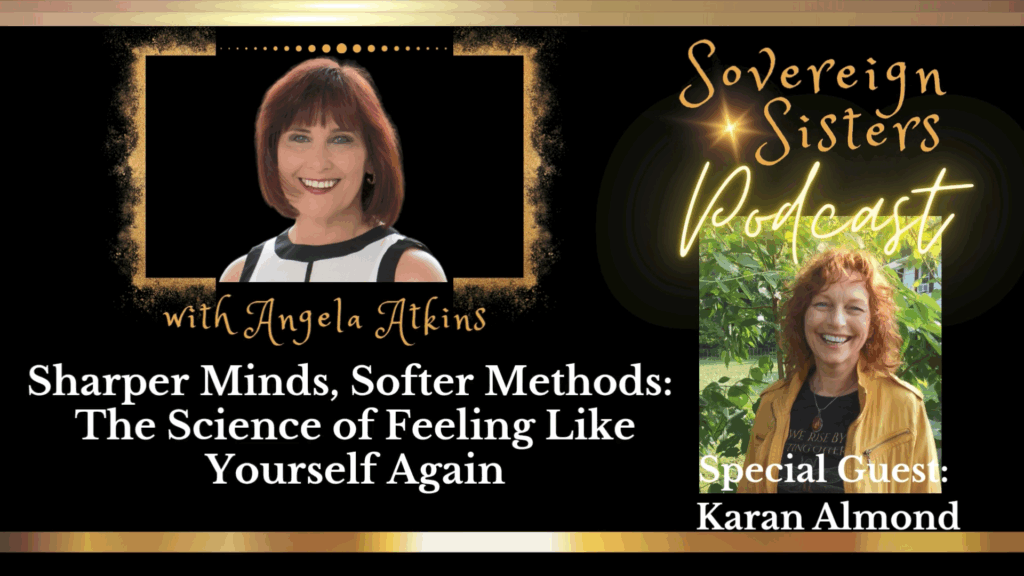
Sharper Minds, Softer Methods: A Journey to True Wellness

As an Integrative Health & Nutrition Coach, I’ve seen how healing often starts when we begin asking better questions — not just about symptoms, but about the systems that support our vitality. That’s exactly what my guest, Karan Almond, embodies.

From 14 Diagnoses to Full Recovery

Karan’s story stopped me in my tracks. After nearly a decade navigating the maze of conventional medicine and collecting 14 different diagnoses along the way, she made the brave choice to rebuild her health from the inside out. That healing process wasn’t a straight line. It took dedication, education, and a commitment to go beyond surface-level solutions.

Her journey led her to become Director of the Novum Performance and Longevity Center — a space dedicated to helping others do the same.

A Smarter, Kinder Way to Heal

What I love about Karan’s philosophy is her balance. She brings the sharpness of clinical knowledge with the softness of real compassion. Her work centers on detoxification, holistic healing, and functional performance — all personalized, all deeply human.

We talked about what it really means to support the body rather than suppress its symptoms, how emotional health intersects with physical resilience, and how lifestyle changes done with grace (not guilt) can completely change a life.

Meet People Where They Are

Karan doesn’t preach. She listens. She meets people exactly where they are and walks with them toward better health one sustainable step at a time. That’s the kind of approach I believe in too — no quick fixes, just true transformation.

If you’re tired of band-aid solutions and looking for a grounded, effective, and deeply compassionate way forward, this episode is for you.

Watch the Replay

If you’re ready to hear a story of resilience, renewal, and real results, this episode is worth your time. Watch the full replay of Sharper Minds, Softer Methods (links below) and see how Karan’s journey can inspire your own path to wellness.

And when you are ready, take the next step:
Book the quick fit call, mention the podcast to claim the October offer, and get your personalized plan.

Special Offer:

Prefer to feel it first? There’s a $75 in-office consult that includes a brief chat with Karan plus a 5-minute ExoMind trial if you’re on the fence.

Sovereign Sisters Podcast Watch the podcast on your preferred channel: YouTube, Rumble, BitChute, Brighteon, and Telegram (where there are no additional platform advertisements).

Reprinted with permission from YourHealthUnbound.com

Your Health Unbound

Reclaiming Health and Sovereignty

A Turning Point in My Journey

There was a time when I had to make a decision about what kind of life I wanted to live. I knew I could either stay where I was or take bold steps toward something different. Choosing the second option led me to a path of growth, healing, and a completely new way of serving others.

Why Change Was Necessary

I realized that the life I had been building no longer supported my well-being or my sense of purpose. Change is rarely easy, but it often opens the door to something far greater than we can imagine. By allowing myself to step away from what was familiar, I found clarity and direction that I had been missing.

A Mission Takes Shape

The more I leaned into this new path, the more I recognized a bigger calling. It became clear that the lessons I had learned were not just for me but could inspire and support others who were seeking transformation in their own lives. What began as a personal journey grew into a mission that continues to unfold.

Sharing My Story

In this highlight video of a recent interview, I offer a glimpse into how that mission has evolved and why I remain committed to it today. My hope is that it will encourage you to reflect on your own journey and consider where you may need to reclaim your health, your voice, or your sense of sovereignty.

An Invitation to You

I believe each of us holds the ability to shape our lives in meaningful ways. Sometimes all it takes is hearing a story that resonates to spark that change. I invite you to watch the highlight reel and see what it stirs within you.

Watch the Highlight Reel

If this resonates with you, I invite you to watch the highlight reel on the platform you enjoy most. You will find the video available on YouTube, Rumble, Telegram, BitChute, and Brighteon. Choose the channel that works best for you and take a few minutes to watch the full story unfold.

From IT to Health Coach

If you’ve been moved by my personal mission or by the conversations we’ve been having about truth, sovereignty, and living freely, I invite you to join me in this journey by supporting the campaign. Your donation doesn’t just fund our loss — it fuels a movement, and it connects you to a community that believes in prayer-backed action.

Reprinted with permission from YourHealthUnbound.com

Sovereign Sisters Podcast

Unfiltered & Uncensored: Reflections on Sovereignty, Loss, and Hope | Ep. 67

Taking Time to Breathe

After stepping away for a short season of rest and reflection, I was reminded of the beauty of slowing down. Time at the beach, away from the daily noise, offered space to reconnect with what truly matters. That quiet pause helped me remember why Sovereign Sisters Podcast began — not to chase numbers or trends, but to inspire sovereignty, self-empowerment, and authentic community.

When the World Shakes

Sometimes events happen that go beyond politics and headlines. They stir something deeper — reminding us how fragile life is and how divided we’ve become. In this episode, I share my perspective on what these moments reveal about our culture, our values, and our need to return to respect for all life.

Behind the Mic

Producing this podcast has always been a labor of love. From writing to editing, every part is my own hands-on work. But with financial strain mounting, I’ve had to make hard choices. I’m scaling back certain tools and shifting toward recorded interviews rather than frequent live broadcasts. Through it all, I’m grateful for those who have supported me — whether through prayers, encouragement, or small contributions that keep the message alive.

Loss, Love, and Resilience

The past few years have carried deep personal loss, especially within my family. Yet even in grief, I’ve seen blessings — stronger bonds with my husband, shared resilience, and the grounding presence of faith. In this episode, I open up about those struggles and the lessons they’ve carried.

A Horizon of Hope

Despite everything, I believe there is reason for hope. People are beginning to wake up, rediscover their faith, and reach toward one another. What could our lives, families, and communities look like if we truly lived with kindness, respect, and love at the center? It’s a question worth asking — and answering — together.

Closing in Faith

This episode ends with a prayer — a reminder that even in uncertain times, God’s peace and guidance are available to us. My hope is that it encourages you to continue walking your own path of sovereignty, community, and faith.

Listen to the full episode on your preferred channel:
YouTube, Rumble, BitChute, Brighteon and Telegram (where there are no additional platform advertisements) or click the image below.

Unfiltered & Uncensored

If you’ve been moved by the mission of the Sovereign Sisters Podcast, or by the conversations we’ve been having about truth, sovereignty, and living freely, I invite you to join me in this journey by supporting the campaign. Your donation doesn’t just fund our loss — it fuels a movement, and it connects you to a community that believes in prayer-backed action.

Sovereign Sisters Podcast

5 Must-Listen Sovereign Sisters Podcast Episodes on Freedom, Health, and Taking Back Your Power

The Sovereign Sisters Podcast is where courageous conversations meet practical tools for living freely. In the last five episodes, we’ve explored powerful personal transformations, uncovered hidden dangers in everyday life, and shared actionable strategies to reclaim your health, rights, and sovereignty.

Whether you’re searching for Jehovah’s Witness survivor stories, biological dentistry advice, pet food safety tips, biohacking protocols, or lawful solutions to government overreach, these episodes offer insight you won’t find in mainstream conversations.

Ep. 62 – Leaving Jehovah’s Witnesses: Amber’s Story of Survival and Resistance

If you’ve ever wondered what it’s like to leave a high-control religion, Amber’s story delivers an unflinching look at the cost — and the freedom — that comes with walking away. Born five generations deep into the Jehovah’s Witnesses, Amber was taught never to question the rules. In this episode, she reveals the emotional, social, and spiritual challenges of leaving, and how reclaiming her autonomy transformed her life.

Ep. 63 – Is Your Mouth Making You Sick? with Dr. Gene Sambataro

Many chronic health issues begin where you least expect: your mouth. Biological dentist Dr. Gene Sambataro explains how root canals, mercury fillings, gum disease, and untreated sleep apnea can quietly damage overall health. He shares his research on the link between oral health and systemic disease, plus the personal story that inspired his mission to transform dentistry.

Ep. 64 – Poison in the Bowl? The Pet Food Industry Exposed with Susan Thixton

Pet parents, take note: the pet food industry is far less regulated than you think. Consumer advocate Susan Thixton, founder of Truth About Pet Food, exposes the misleading labels, hidden ingredients, and safety loopholes that put your pets at risk. Learn how to read labels, choose trustworthy brands, and make informed choices for your animal’s health. Incredibly, this episode was banned by YouTube as “medical misinformation” — raising the question: how can information about dog food be considered medical misinformation?

Ep. 65 – Biohacker Babes Unleashed: Sisterhood, Science & Self-Discovery

Lauren Sambataro and Renee Belz — the Biohacker Babes — grew up in a holistic health household and turned that foundation into a career helping others unlock their full potential. In this lively conversation, they share personal biohacking experiments, wellness strategies, and the role of sisterhood in building resilience and intuition.

Ep. 66 – Fight Back with the Law, Not Lawyers with Cal Washington

Most people unknowingly live under contract-based systems. Cal Washington, founder of the InPower Movement, teaches how the Notice of Liability process empowers individuals to stand up to corporate and government overreach. This episode covers real-world applications for challenging 5G, smart meters, and other unwanted mandates — all through lawful, non-violent means.

Why These Sovereign Sisters Episodes Stand Out

These episodes all share a common thread: the courage to question and the tools to act. Whether it’s leaving a high-control group, addressing hidden health risks, safeguarding your pets, optimizing your biology, or using the law to protect your freedoms, each conversation offers knowledge you can put into practice today.

Catch up on these and other episodes of the Sovereign Sisters Podcast on your preferred listening platform as listed in the posts and subscribe so you never miss the insights that can help you live freely, intentionally, and sovereignly.

A Crowdfunding Platform Like No Other

After sharing these powerful conversations on the Sovereign Sisters Podcast, I want to pause and share something deeply personal — a reminder that compassion and human connection are still alive in unexpected places.

I recently received a voicemail from the Hope Prayer Team at GiveSendGo, the platform hosting my current fundraising campaign. Unlike any other crowdfunding site I’ve ever used, GiveSendGo didn’t just process my campaign and walk away. They called me. They prayed for me — by name, for my household, for my needs, and for the restoration of what has been lost.

This wasn’t a generic form letter or automated email. It was a real person, speaking a heartfelt prayer over my life, asking for abundance, provision, and peace to overflow. That’s what makes GiveSendGo different — it’s not just about raising funds, it’s about raising hope.

If you’ve been moved by the mission of the Sovereign Sisters Podcast, or by the conversations we’ve been having about truth, sovereignty, and living freely, I invite you to join me in this journey by supporting the campaign. Your donation doesn’t just fund our loss — it fuels a movement, and it connects you to a community that believes in prayer-backed action.